
Advanced Treatment for Spinal Stenosis Without Major Surgery | Restore Mobility and Relieve Pain
Advanced Spinal Stenosis Treatment with Modern Minimally Invasive Techniques
What Is Spinal Stenosis?
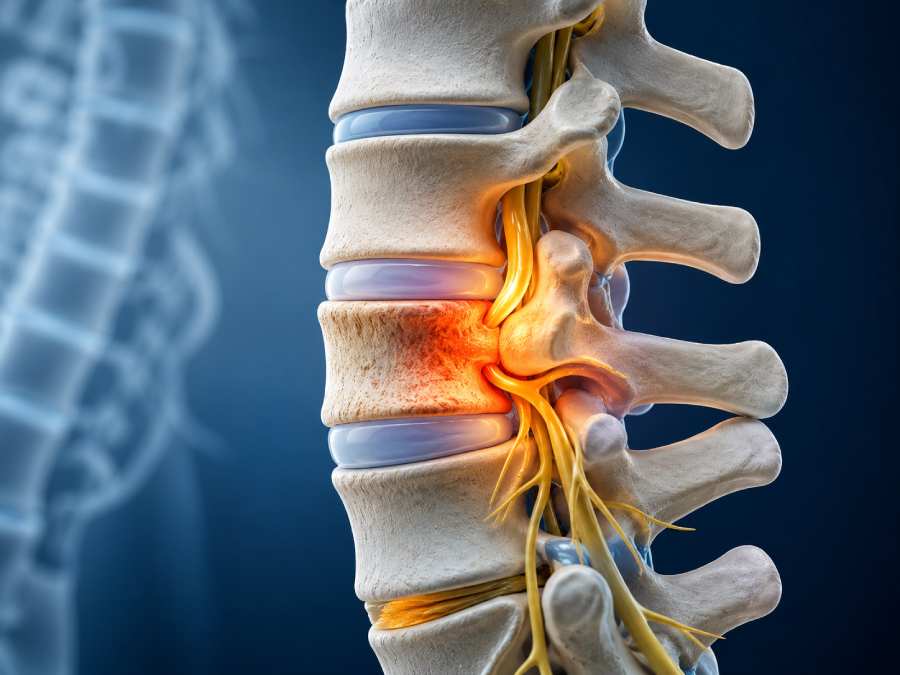
Spinal stenosis is a condition that occurs when the spaces within the spine become narrower, placing pressure on the spinal cord and nearby nerves. This condition most commonly affects the lower back and neck and is often associated with aging and spinal degeneration.
As the spinal canal narrows, patients may experience chronic pain, numbness, weakness, and difficulty walking. Without proper treatment, symptoms may gradually worsen and significantly impact daily life.
Common Symptoms of Spinal Stenosis
Symptoms can vary depending on the severity and location of the narrowing. Common signs include:
- Chronic lower back pain
- Neck pain
- Numbness or tingling in the arms or legs
- Muscle weakness
- Difficulty walking for long periods
- Pain that improves when bending forward
- Balance problems
- Sciatica or radiating leg pain
Many patients initially mistake these symptoms for normal aging, which often delays proper diagnosis and treatment.
What Causes Spinal Stenosis?
Several conditions can contribute to spinal canal narrowing, including:
Age-Related Degeneration
Natural wear and tear of the spine over time is the most common cause.
Herniated Discs
Bulging or damaged discs may compress spinal nerves.
Bone Spurs
Arthritic changes can lead to excess bone growth that narrows spinal spaces.
Thickened Ligaments
Spinal ligaments may become stiff and enlarged over time.
Previous Spine Injuries
Trauma or prior surgeries can sometimes contribute to spinal narrowing.
Why Early Diagnosis Is Important
Early diagnosis of spinal stenosis can prevent serious complications and improve long-term outcomes.
Timely treatment may help:
- Prevent worsening nerve damage
- Reduce chronic pain
- Improve walking ability
- Restore mobility and independence
- Avoid more extensive surgery later
A comprehensive spinal evaluation helps determine the most effective treatment plan for each patient.
Non-Surgical Treatment Options
For mild or moderate cases, non-surgical treatments may successfully manage symptoms.
Physical Therapy
Targeted exercises strengthen spinal muscles and improve flexibility.
Pain Management
Anti-inflammatory medications and specialized injections may reduce inflammation and nerve irritation.
Lifestyle Adjustments
Improving posture, maintaining a healthy weight, and regular movement can reduce pressure on the spine.
Rehabilitation Programs
Customized rehabilitation helps improve mobility and daily function.
Minimally Invasive Surgery for Spinal Stenosis
When conservative treatments are no longer effective, minimally invasive spine surgery may provide lasting relief.
Modern surgical techniques focus on relieving nerve pressure while minimizing tissue damage.
Benefits of Minimally Invasive Spine Surgery
Compared to traditional open surgery, minimally invasive procedures offer:
- Smaller incisions
- Less muscle disruption
- Reduced bleeding
- Lower infection risk
- Faster recovery
- Shorter hospital stays
- Less post-operative pain
These advanced techniques allow patients to return to their normal activities much sooner.
How the Procedure Works
During minimally invasive spinal stenosis surgery, specialized surgical tools and imaging systems are used to remove the tissue or bone causing nerve compression.
The primary goals include:
- Creating more space within the spinal canal
- Relieving pressure on nerves
- Reducing pain and numbness
- Improving mobility and walking ability
- Stabilizing the spine when necessary
Every treatment plan is personalized according to the patient’s condition and spinal health.
Why Choose Dr. Firas Husban?
Dr. Firas Husban is highly experienced in advanced spine surgery and minimally invasive spinal procedures.
Patients benefit from:
- More than 28 years of experience
- Advanced modern surgical techniques
- Personalized treatment strategies
- Comprehensive spine evaluations
- High standards of patient care and recovery support
The focus is always on achieving long-term pain relief and restoring quality of life.
Recovery After Treatment
Recovery depends on the severity of the condition and the procedure performed, but many patients experience significant improvement shortly after surgery.
Common recovery benefits include:
- Improved mobility
- Reduced nerve pain
- Better walking ability
- Increased daily comfort
- Faster return to work and activities
Following rehabilitation and medical guidance is essential for optimal recovery.
Tips to Protect Your Spine Health
Maintaining spinal health can help reduce the risk of spinal stenosis progression.
Helpful habits include:
- Staying physically active
- Maintaining proper posture
- Strengthening core muscles
- Avoiding prolonged sitting
- Using proper lifting techniques
- Maintaining a healthy weight
Regular spinal checkups can also help detect problems early.
Schedule Your Consultation Today
If you are experiencing chronic back pain, numbness, or walking difficulties, a professional evaluation is essential.
Consult Dr. Firas Husban for advanced spinal stenosis diagnosis and modern minimally invasive treatment options designed to help you regain comfort and mobility.
Post Tags :
- advanced spine surgery
- back pain treatment
- cervical spinal stenosis
- chronic back pain relief
- Dr. Firas Husban
- lower back pain treatment
- lumbar spinal stenosis
- minimally invasive spinal decompression
- minimally invasive spine surgery
- modern spine treatment
- neck pain specialist
- nerve compression treatment
- sciatica treatment
- spinal canal narrowing treatment
- spinal stenosis symptoms
- spinal stenosis treatment
- spine decompression surgery
- spine specialist Amman
- spine surgeon Jordan
- spine surgery Jordan
- أفضل دكتور عمود فقري في الأردن
- استشاري جراحة العمود الفقري
- الجراحة طفيفة التوغل
- الدكتور فراس الحسبان
- جراحة العمود الفقري
- جراحة تخفيف الضغط على الأعصاب
- علاج آلام العمود الفقري
- علاج ألم الساق الناتج عن الظهر
- علاج ألم الظهر
- علاج تضيق الرقبة
- علاج تضيق العمود الفقري
- علاج تضيق الفقرات القطنية
- علاج تضيق القناة الشوكية
- علاج تضيق القناة العصبية
- علاج تنميل الأطراف
- علاج ضعف الأعصاب
- علاج ضغط الأعصاب
- علاج عرق النسا
- علاج مشاكل العمود الفقري
- عمليات العمود الفقري الحديثة
